
Clearer Answers Start With Better Testing Veterinary Diagnostics in Hummelstown, PA
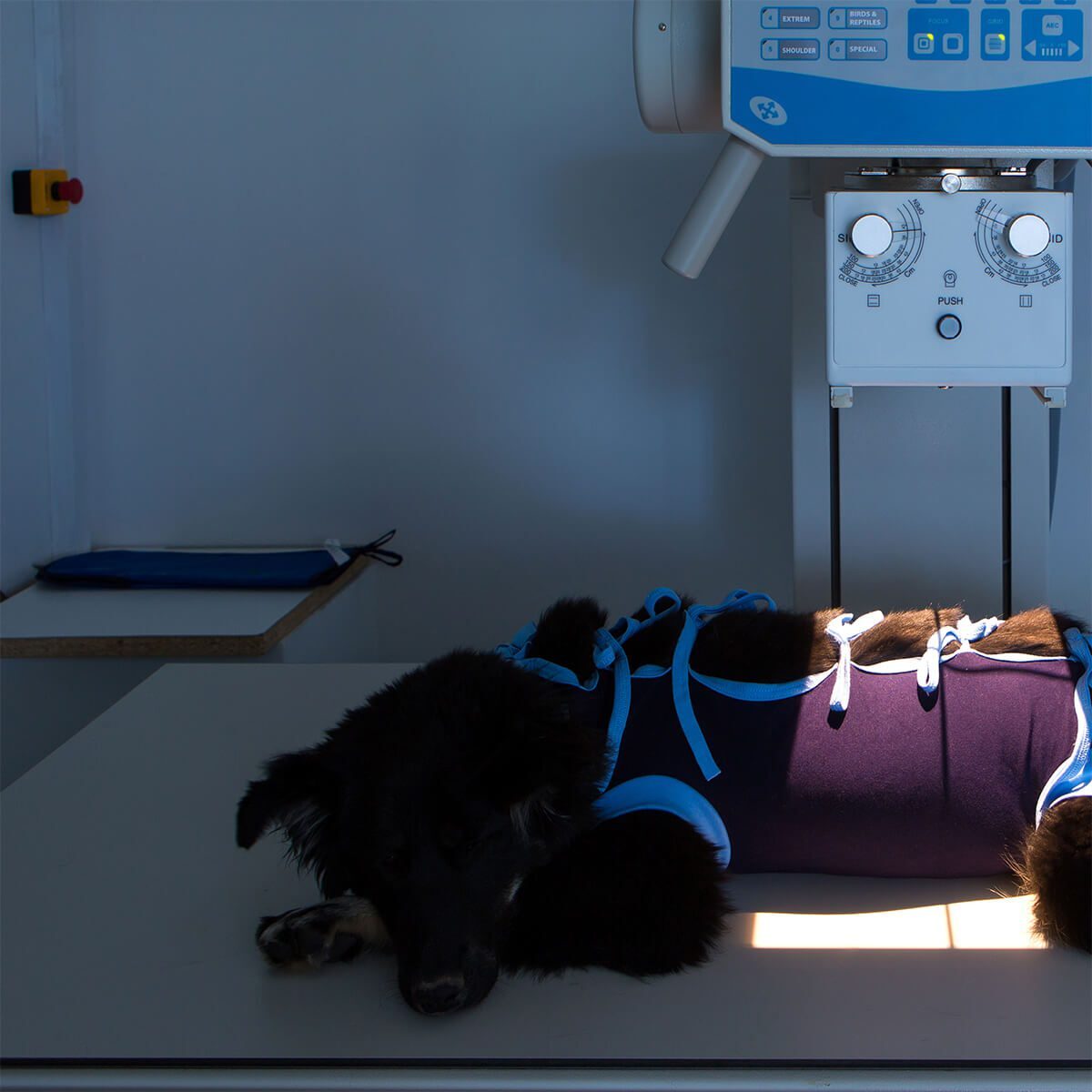
A pet can act “off” in ways that are hard to explain. Maybe your dog is losing weight, your cat is drinking more water, or your pet’s energy has changed without an obvious reason.
Veterinary diagnostics help our Hummelstown, PA team look deeper when an exam alone does not tell the full story. At Hershire Animal Hospital, we use in-house lab testing, digital X-rays, ECG, blood pressure measurement, and abdominal ultrasound to better understand what is happening inside your pet’s body.
If your pet has new symptoms, ongoing illness, or a condition that needs monitoring, request an appointment online or by calling (717) 566-3703.
Advanced Diagnostics With Medical Insight Behind Every Result
Diagnostic tools give us information, but your veterinarian’s interpretation is what turns that information into a care plan. At Hershire Animal Hospital, our doctors use diagnostics to connect your pet’s symptoms, exam findings, medical history, and test results.
Our Hummelstown animal hospital offers a full in-house laboratory, allowing us to evaluate many health concerns quickly. This can be especially helpful when a pet is sick, older, preparing for anesthesia, or showing changes that need timely answers.
We also offer digital X-rays, ECG, blood pressure measurement, and in-hospital abdominal ultrasounds. Ultrasound images are sent to a radiologist for review, giving your pet the benefit of advanced imaging with expert interpretation.
When Might My Pet Need Diagnostics?
Your pet may need diagnostic testing when symptoms suggest an internal problem, when your veterinarian finds something unusual during an exam, or when we need to monitor a known condition. Diagnostics can also help screen your pet before surgery or dental care.
Your dog or cat may benefit from diagnostic testing if they have:
-
Vomiting or diarrhea
-
Weight loss or weight gain
-
Increased thirst or urination
-
Low energy or weakness
-
Coughing or breathing changes
-
Limping or pain
-
Appetite changes
-
Pale gums
-
Abdominal discomfort or swelling
-
Urinary accidents or straining
-
New lumps or swelling
-
Abnormal heart rhythm
-
Senior pet health changes
-
A chronic condition that needs monitoring
Some pets need testing even when they seem healthy. Routine bloodwork and urine testing can help identify early changes before symptoms become obvious at home.
What Can Diagnostic Tests Find in Dogs and Cats?
Pets cannot explain where they hurt, how long they have felt sick, or whether a symptom is getting worse. Diagnostic testing helps us gather medical information that supports clearer answers.
Depending on your pet’s symptoms, testing may help identify:
-
Infection or inflammation
-
Anemia or blood changes
-
Kidney or liver concerns
-
Thyroid changes
-
Diabetes or endocrine disease
-
Dehydration
-
Urinary tract problems
-
Bladder stones
-
Digestive concerns
-
Masses or organ changes
-
Heart rhythm concerns
-
Blood pressure changes
-
Injury, fracture, or internal abnormality
-
Age-related health changes
Diagnostic Services Offered by Hershire Animal Hospital
To help find answers about your pet’s health, Hershire Animal Hospital utilizes a wide range of cutting-edge diagnostic tools. From a comprehensive in-house laboratory to outside specialist support, we ensure we get the answers we need to keep your pet happy and healthy.
In-House Blood and Urine Laboratory
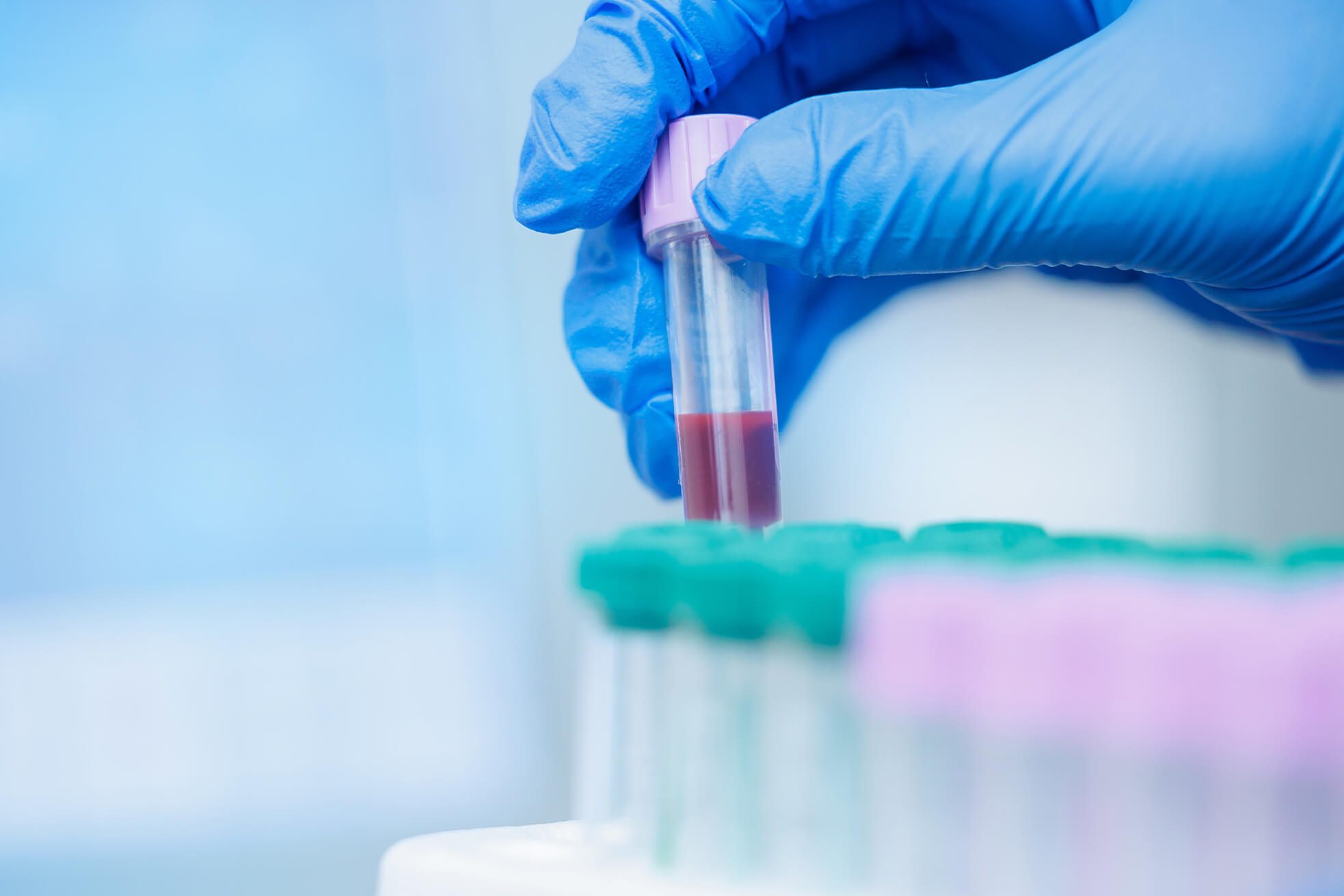
Our in-house laboratory allows us to evaluate blood, urine, and other samples quickly for many common health concerns. Lab testing can help assess organ function, hydration, infection, anemia, endocrine changes, and overall internal health.
Digital X-Rays
Digital X-rays help us evaluate bones, joints, the chest, abdomen, and certain internal structures. They are often recommended for injuries, limping, coughing, abdominal concerns, bladder stone suspicion, or unexplained pain.
ECG Testing
An ECG records your pet’s heart rhythm and helps us evaluate abnormal heartbeats or rhythm concerns. This information can be helpful for pets with heart-related symptoms or certain anesthesia considerations.
Blood Pressure Measurement
Blood pressure testing helps us screen for high or low blood pressure, especially in senior pets and pets with kidney, heart, thyroid, or other medical concerns. Abnormal blood pressure can affect organs and may need monitoring over time.
Abdominal Ultrasound
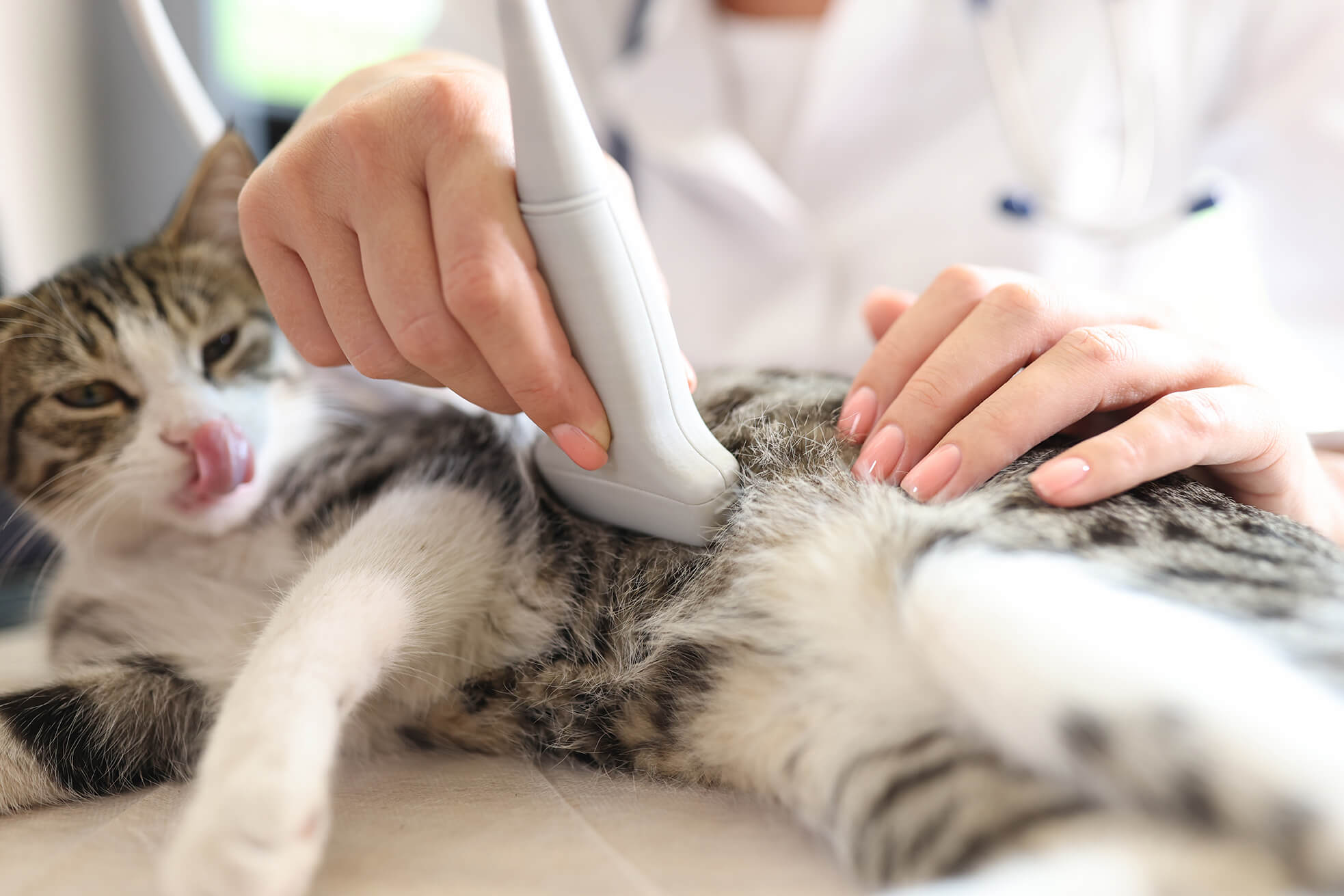
Abdominal ultrasound allows our team to view internal organs in greater detail. Hershire Animal Hospital performs abdominal ultrasounds in house and sends the images to a radiologist for review.
What Should I Expect With Testing and Results?
Your pet’s diagnostic plan will depend on their symptoms, exam findings, age, health history, and the urgency of the concern. Some tests can be performed during your pet’s visit, while others may require scheduling, preparation, or additional review.
For many in-house lab tests, results may be available quickly. Digital X-rays can often be reviewed during the visit, depending on your pet’s needs and the doctor’s recommendations.
Ultrasound results may take additional time because the images are sent to a radiologist for review. Once results are available, our team will explain what was found, what it means for your pet, and whether treatment, monitoring, follow-up testing, or referral is recommended.
If your pet has new symptoms, ongoing illness, or health changes that need answers, diagnostic testing can help. Request an appointment online or by calling (717) 566-3703.