

Comfort Changes Everything Cat and Dog Pain Management in Hummelstown, PA
Pain can change the way your pet moves through the world. A dog who hesitates before climbing the stairs, a cat who stops jumping onto favorite furniture, or an older pet who seems withdrawn may be showing signs that something hurts.
Hershire Animal Hospital provides cat and dog pain management therapies for pets with arthritis, mobility changes, injury-related discomfort, post-surgical pain, and chronic conditions. Our team works with dogs and cats from Hummelstown, Hershey, Middletown, and nearby communities to build pain management plans that fit each pet’s body, routine, and quality of life.
If your pet seems stiff, sore, slower, or less like themselves, request an appointment online or by calling (717) 566-3703.
Why Is Pain Management Important for Pets?
Pain can affect far more than movement. When a pet hurts, they may sleep more, pull away from touch, stop playing, lose interest in food, or become irritable because everyday activities feel harder.
Many pets hide pain, especially cats and senior animals. You may not hear whining or crying, even when a joint, tooth, muscle, or internal problem causes significant discomfort.
Good pain management helps pets stay more comfortable and engaged in daily life. It can support mobility, rest, appetite, mood, healing, and the bond your pet has with the people around them.
What Conditions Can Be Painful in Pets?
Pets can experience pain from injuries, age-related changes, dental disease, surgery, inflammation, and chronic medical conditions. Some pets show clear signs, while others only make small changes in their routine.
Common painful conditions in dogs and cats may include:
-
Osteoarthritis
-
Joint stiffness or mobility changes
-
Back or neck discomfort
-
Muscle strains
-
Dental disease or oral pain
-
Ear infections
-
Skin infections or wounds
-
Injuries or sprains
-
Post-surgical discomfort
-
Abdominal pain
-
Urinary problems
-
Chronic inflammatory conditions
Your pet may be in pain if you notice:
-
Limping or stiffness
-
Trouble standing up or lying down
-
Hesitating on stairs
-
Less jumping or climbing
-
Sleeping more than usual
-
Hiding or acting withdrawn
-
Irritability or sudden behavior changes
-
Decreased appetite
-
Panting, trembling, or restlessness
-
Licking or chewing one area
-
Sensitivity when touched
-
Reduced interest in walks, play, or grooming
Pain Management Options at Hershire Animal Hospital
Pain management is most effective when it matches the cause of your pet’s discomfort. At Hershire Animal Hospital, our team may recommend one treatment or a combination of therapies depending on your pet’s condition, age, lifestyle, and response to care.
Treatment options may include:
Laser Therapy
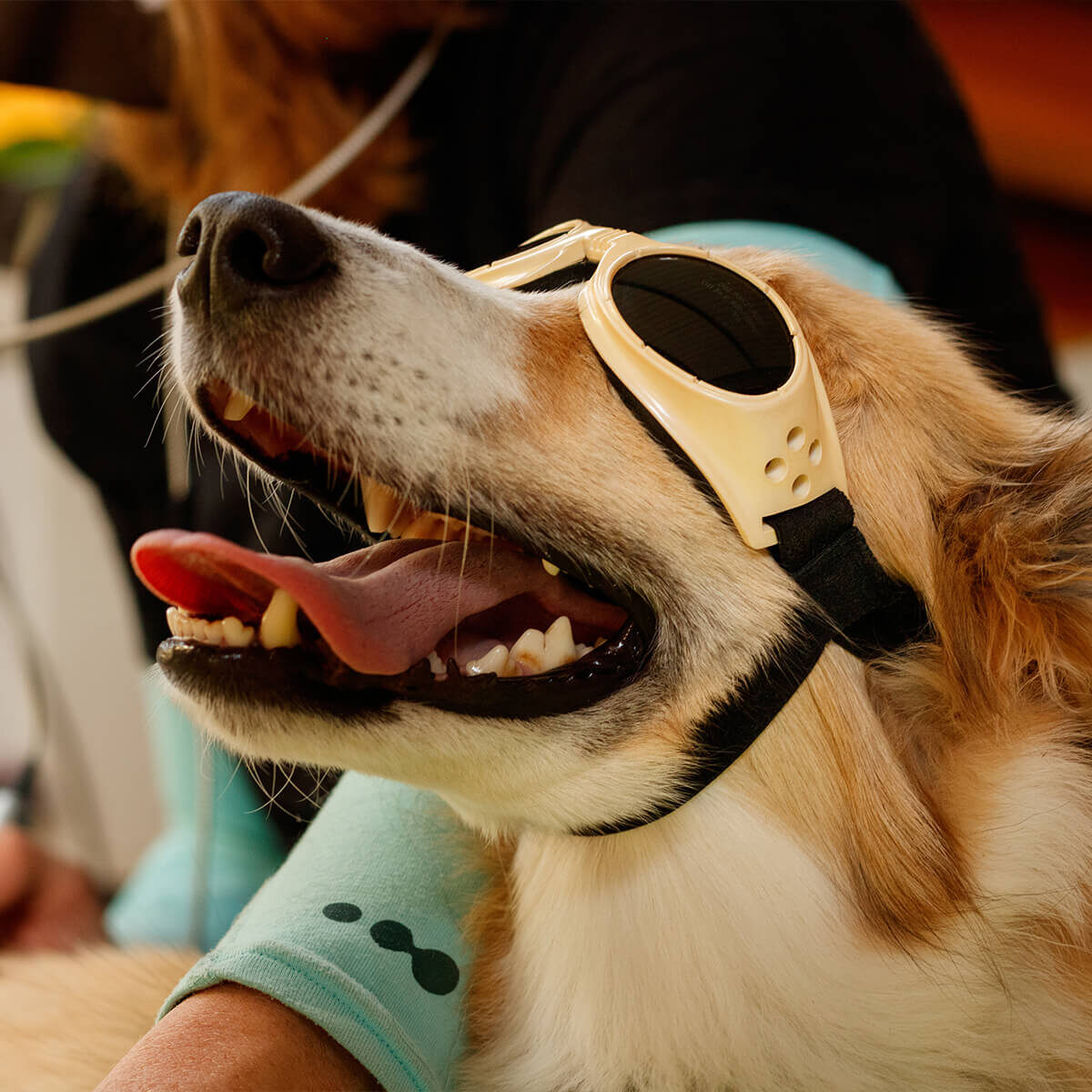
Laser therapy can help reduce discomfort and support tissue healing in pets with arthritis, inflammation, wounds, or soft tissue pain. Treatments are non-invasive and often used as part of a broader comfort plan.
Librela and Solensia Injections
Librela and Solensia are monoclonal antibodies that neutralize pain signals in dogs and cats. These injectable options may help improve comfort and mobility for pets living with chronic joint pain.
Adequan
Adequan may be recommended for certain dogs with joint disease or arthritis-related discomfort, as this injection works to repair and preserve joint cartilage.
Ketamine Therapy
Ketamine therapy may be considered in select pain management cases. Our team will discuss whether this option fits your pet’s condition and overall treatment plan.
Supplements and Joint Support
Glucosamine and other joint-support supplements may help some pets as part of a long-term comfort plan. Our team can guide you toward options that are appropriate for your pet.
Physical Therapy Referrals
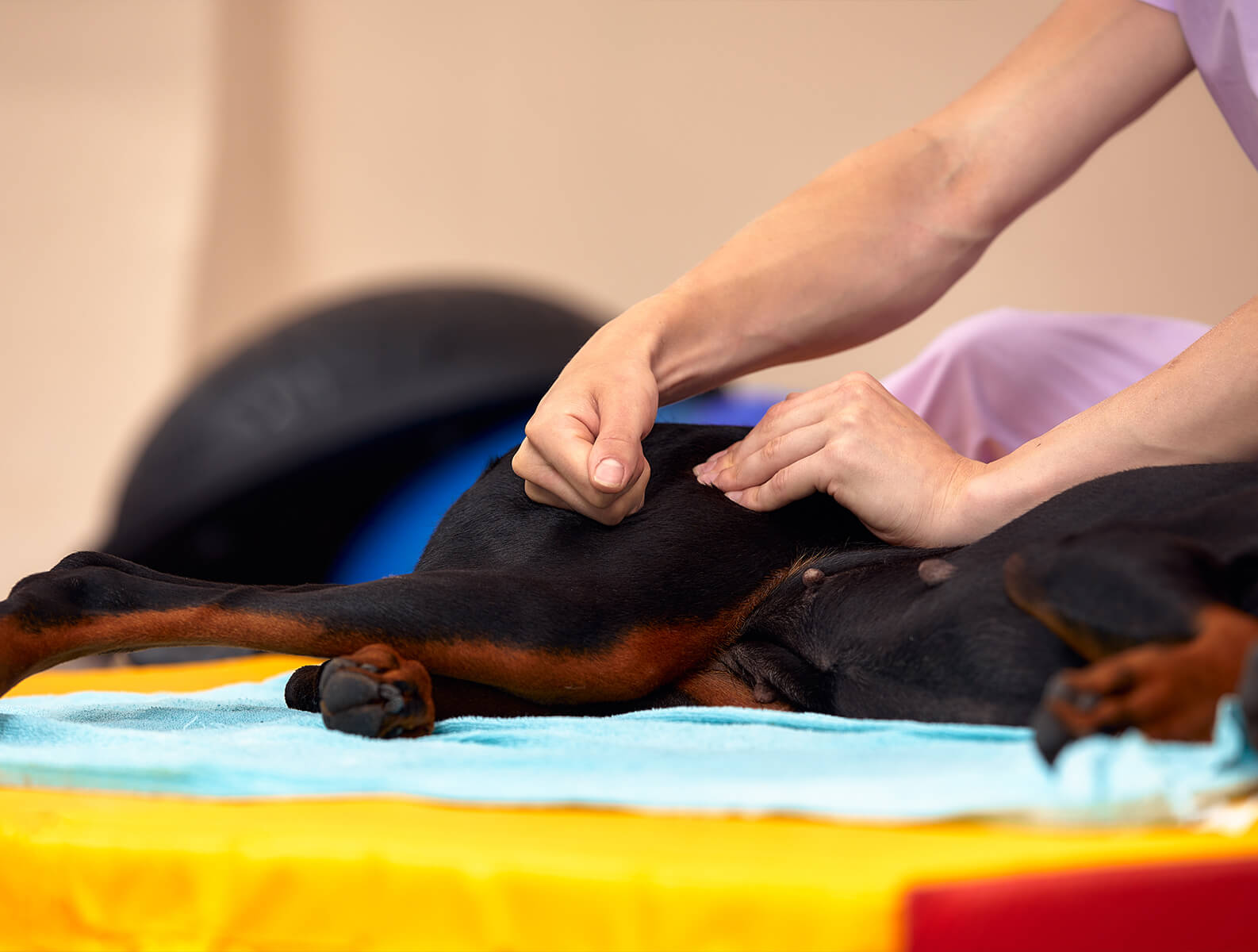
Some pets benefit from physical therapy, including services such as underwater treadmill therapy. When a pet needs more focused rehabilitation support, we may recommend referral to a local provider.
Personalized Medical Management
Some pets need medication, lifestyle adjustments, weight guidance, home modifications, or follow-up testing to manage pain safely. We will tailor recommendations to your pet rather than using a one-size-fits-all approach.
What Should I Expect With Ongoing Cat and Dog Pain Management?
Your pet’s first pain management visit starts with a physical exam and a conversation about what you have noticed at home. We may ask about your pet’s activity level, appetite, sleep, stairs, jumping, grooming, bathroom habits, and any changes in mood or behavior.
Depending on your pet’s symptoms, our team may recommend diagnostics such as lab work or imaging before starting certain treatments. This helps us better understand the cause of pain and choose options that fit your pet safely.
Once treatment begins, we will monitor how your pet responds. Some pets improve quickly, while others need adjustments over time to find the right balance of comfort, mobility, and safety.
Pain management is often an ongoing partnership. We will help you watch for changes, adjust the plan when needed, and support your pet through each stage of life.
If your dog or cat seems stiff, sore, or less comfortable than usual, Hershire Animal Hospital can help you take the next step. Contact us online or by calling (717) 566-3703.