A Healthier Smile Starts Beneath the Gumline Cat and Dog Teeth Cleaning in Hummelstown, PA
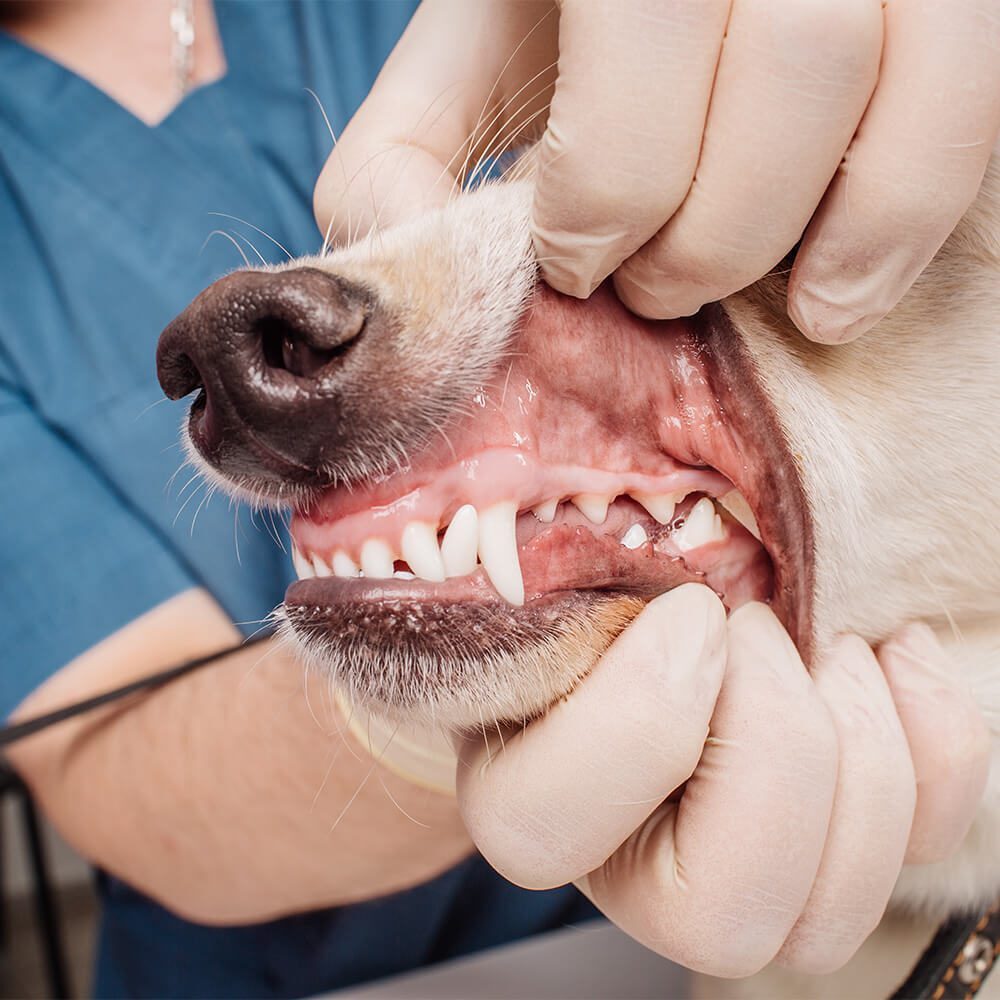
A pet’s bad breath can be easy to brush off, especially when they are still eating, playing, and acting like themselves. But dental disease often develops quietly below the gumline, where pain, infection, and tooth damage may not be obvious at home.
Hershire Animal Hospital offers cat and dog teeth cleaning for pets from Hummelstown, Hershey, Middletown, and nearby communities. Our team provides professional pet teeth cleaning, dental radiographs, oral surgery when needed, and careful anesthesia monitoring to help protect your pet’s comfort and health.
If your dog or cat has bad breath, tartar, red gums, loose teeth, or trouble chewing, schedule a dental evaluation to help restore their smile.
Dental Care With Clear Answers and Advanced Capabilities
At Hershire Animal Hospital, our veterinarians and team look beyond the visible surface of your pet’s teeth to identify problems that may be hidden below the gumline.
Every dental patient receives full-mouth radiographs, which help us evaluate tooth roots, bone health, and areas that cannot be seen during an oral exam alone. This gives our team the information needed to make appropriate decisions about cleanings, extractions, oral surgery, and long-term dental health.
Your pet’s safety is supported throughout the entire process with current anesthesia protocols and attentive monitoring. As a privately owned veterinary practice, we also take time to answer your questions and help you feel confident before treatment moves forward.
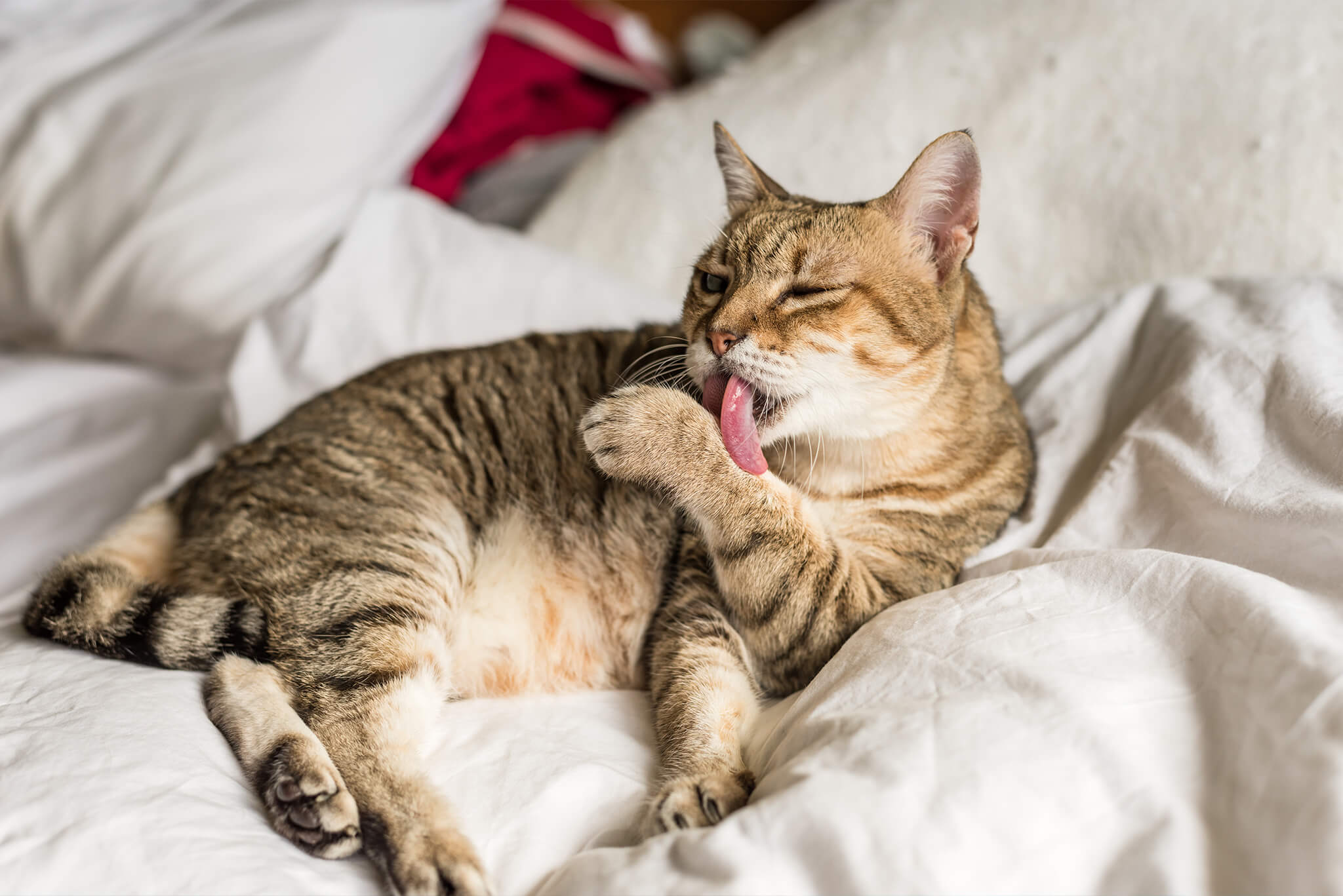
Signs Your Dog or Cat May Need a Teeth Cleaning
Your pet may need dental care if you notice bad breath, tartar, red gums, or abnormal chewing and eating behaviors. Some pets continue eating even with dental pain, so a normal appetite does not always mean their mouth feels healthy.
Schedule a dental exam if your pet has:
-
Bad breath that does not improve
-
Yellow or brown tartar buildup
-
Red, swollen, or bleeding gums
-
Loose, broken, or missing teeth
-
Drooling
-
Dropping food
-
Chewing on one side of the mouth
-
Pawing at the face or mouth
-
Swelling around the jaw or under the eye
-
Less interest in hard food, treats, or toys
What Problems Can Dental Disease Cause in Pets?
Dental disease can cause more than bad breath. When plaque and tartar build up, bacteria can irritate the gums, damage the tissue around the teeth, and lead to infection below the gumline.
Left untreated, pet dental disease may contribute to:
-
Gum inflammation
-
Tooth root infections
-
Loose or painful teeth
-
Broken or damaged teeth
-
Difficulty chewing
-
Oral pain
-
Jawbone damage
Not only can dental disease affect your pet’s mouth, it can also create a systemic effect. Oral bacteria can infiltrate the bloodstream and infect areas throughout the body, particularly the heart, liver, and kidneys. Regular dental care is vital for keeping your pet’s entire body healthy.
What Happens During a Professional Pet Teeth Cleaning?
During a professional dental cleaning, your pet is placed under anesthesia so our team can safely clean above and below the gumline. This allows us to remove tartar, examine the mouth closely, take dental X-rays, and address painful or diseased teeth when needed.
A pet dental cleaning at Hershire Animal Hospital may include:
-
A pre-procedure exam and diagnostics, such as bloodwork
-
Anesthesia and careful monitoring
-
Scaling to remove plaque and tartar
-
Cleaning below the gumline
-
Full-mouth X-rays for every patient
-
Tooth-by-tooth oral evaluation
-
Polishing after cleaning
-
Oral surgery or extractions when needed
-
Recovery monitoring before your pet goes home
Dental radiographs are an important part of the process because many dental problems hide below the surface. If we find a concern during your pet’s procedure, we use the exam findings and X-rays to guide treatment recommendations.
What Should I Expect After My Pet’s Dental Cleaning?
Most pets go home the same day after a dental cleaning once they are awake, stable, and ready to rest comfortably. Our team will review what we found, explain any treatment performed, and send home instructions tailored to your pet.
Your pet may be sleepy after anesthesia, and mild grogginess can be normal for the rest of the day. If your pet had oral surgery or extractions, we may recommend soft food, activity limits, medication, or a recheck based on their needs. We will also talk with you about home dental care, such as brushing, dental chews, prescription dental diets, or other ways to slow future plaque buildup.
Give us a call at (717) 566-3703 or book online to set up a dental evaluation if your pet has bad breath, tartar, red gums, or any change in chewing.