
Cat & Dog Surgery in Hummelstown, PA Surgical Care With Skill, Safety, and a Personal Touch
No one wants to picture their pet needing surgery, but the right surgical care can bring relief, prevent a serious condition from getting worse, or help your pet return to a more comfortable life. When that decision comes up, you deserve clear answers and a team that treats the process with care from the first conversation.
Hershire Animal Hospital provides cat and dog surgery for pets from Hummelstown, Hershey, Middletown, and nearby communities. Our team uses careful surgical planning, attentive anesthesia monitoring, and advanced tools such as electrosurgery and LigaSure for select procedures.
Request your pet’s surgical consultation online or by calling us at (717) 566-3703, and we will help you understand what your pet needs, what to expect, and how we will support them through recovery.
Surgical Safety and Skill at Hershire Animal Hospital
Surgery is never treated like a routine task. Before your pet’s procedure, our team reviews their health history, current condition, age, and any risk factors that may affect anesthesia or recovery.
When appropriate, we may recommend pre-anesthetic lab work to help us evaluate your pet’s internal health before surgery. This information helps our veterinarians make safer, more informed decisions about anesthesia, monitoring, and pain control.
During surgery, your pet is supported with current anesthesia protocols and attentive monitoring. Our team watches closely throughout the procedure and recovery period so we can respond quickly to changes and keep your pet as comfortable as we can.
When Might My Pet Need Surgery?
Pets may need surgery for many reasons, from preventive procedures to urgent medical concerns. Some surgeries help protect long-term health, while others treat painful conditions, remove diseased tissue, or address problems that cannot be managed with medication alone.
Your dog or cat may need surgery for:
-
Mass or lump removal
-
Wound repair
-
Bladder stone removal
-
Foreign body concerns
-
Abscess treatment
-
Select abdominal procedures
-
Pyometra surgery
-
Splenectomy
-
Other soft tissue conditions
What Should I Expect Before, During, and After My Pet’s Surgery?
Before surgery, our team will review your pet’s procedure, answer your questions, and provide instructions for the night before and morning of surgery. These instructions may include fasting guidance, medication directions, arrival time, and what to bring with your pet.
On surgery day, your pet will be checked in by our team and prepared for anesthesia. We will monitor your pet during the procedure, keep them comfortable during recovery, and contact you with updates as appropriate.
After surgery, most pets go home with detailed discharge instructions. These may include:
-
Activity restrictions
-
Incision care
-
Feeding instructions
-
Medication directions
-
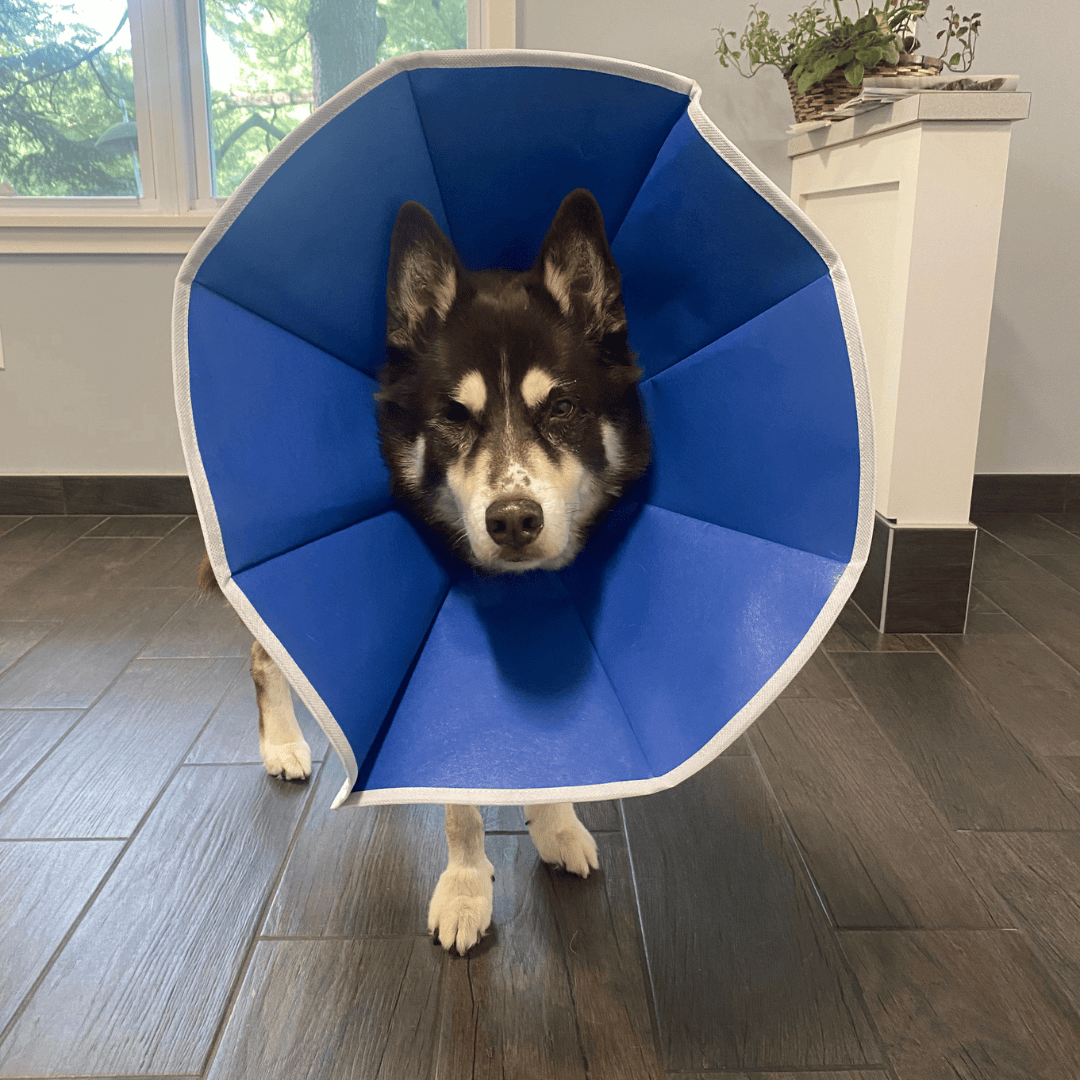
E-collar or recovery collar guidance
-
Recheck recommendations
-
Signs that should prompt a call to our team
Your pet may be sleepy after anesthesia, and they will need a quiet place to rest at home. Healing time depends on the type of surgery, your pet’s age, and their activity level, but our team will walk you through what is normal and what needs attention.
Contact Hershire Animal Hospital if your pet seems very painful, refuses food, vomits repeatedly, becomes extremely weak, develops heavy bleeding, or if the incision looks swollen, red, open, or irritated.
Surgery can feel overwhelming, but you do not have to sort through the decision alone. Request a consultation online or call us at (717) 566-3703 to discuss your pet’s options.