
Relief for Itchy Skin Starts Here Pet Allergies & Skin Care in Hummelstown, PA
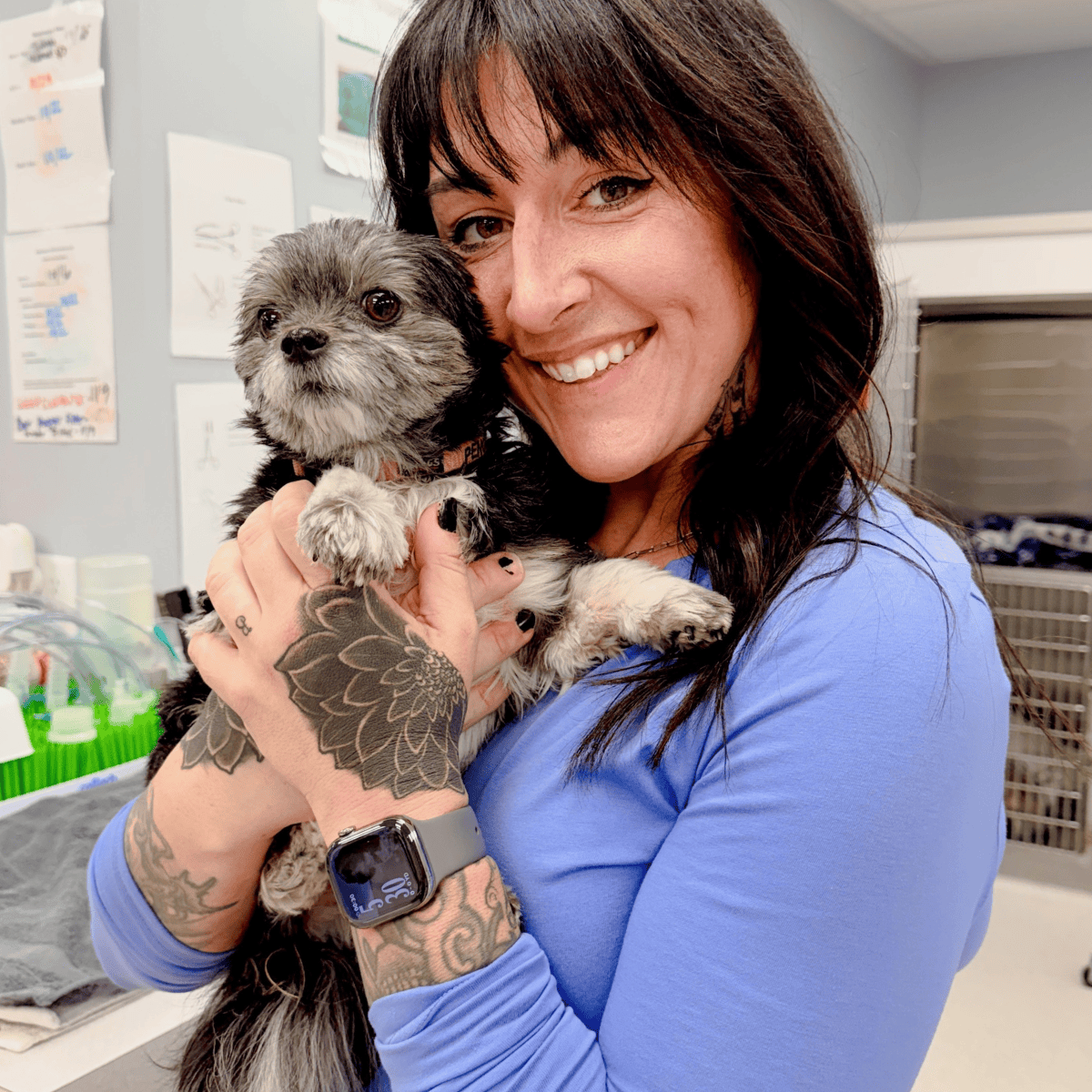
It can be hard to watch your pet scratch, lick, chew, or rub at their skin day after day. You may wonder if it is allergies, fleas, an ear infection, dry skin, or something else entirely.
At Hershire Animal Hospital, we treat cat and dog allergies with a thoughtful approach that focuses on both relief and the reason behind your pet’s symptoms. Our team helps dogs and cats from Hummelstown, Hershey, Middletown, and nearby communities with allergy care, skin infections, ear concerns, itching, and recurring flare-ups.
If your pet seems uncomfortable in their skin, request an appointment online or by calling (717) 566-3703 today.
How Can I Tell If My Pet Has Allergies?
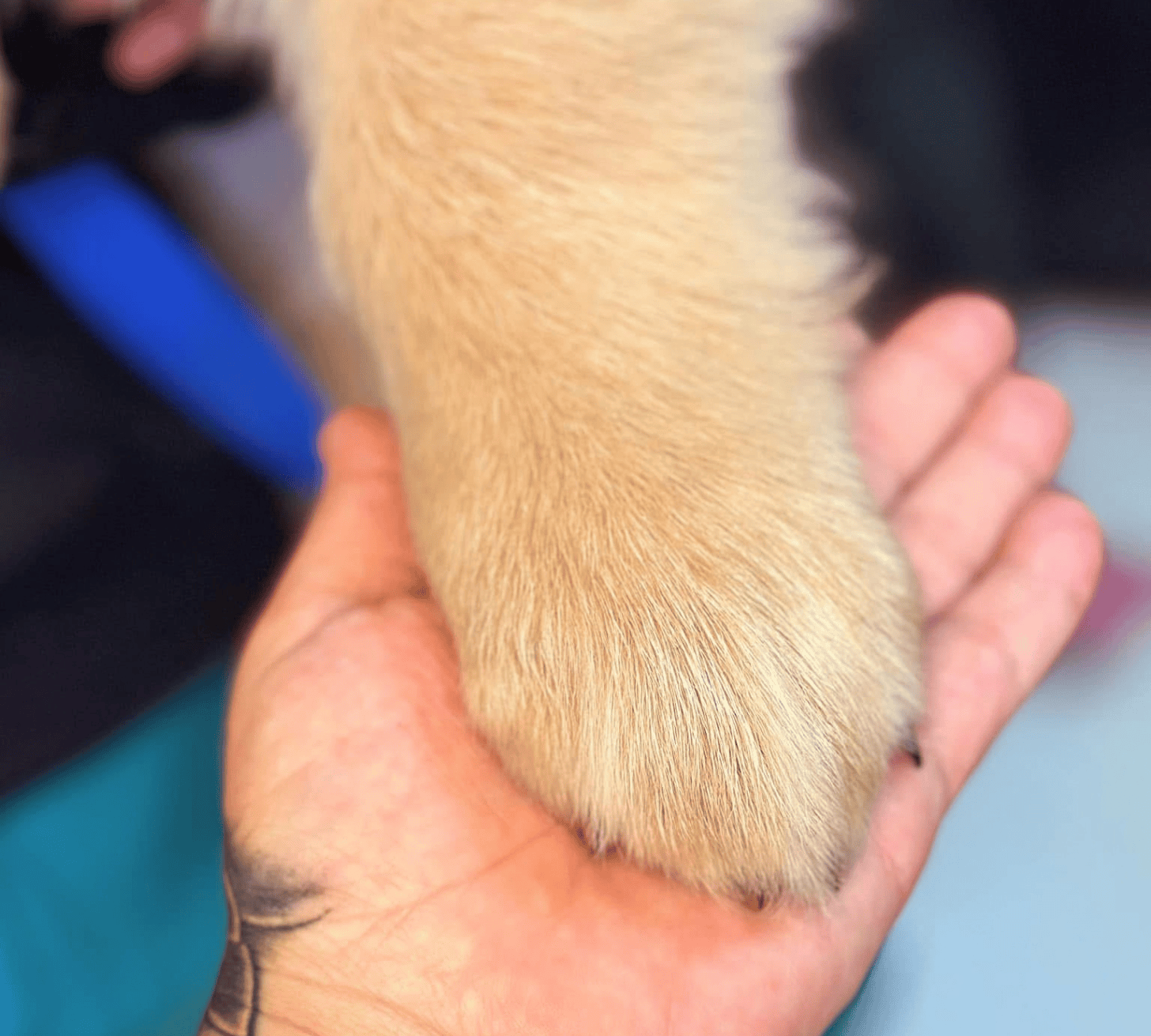
Pets with allergies may scratch, lick, chew, rub, or shake their heads more than usual. Some pets have seasonal symptoms, while others deal with itching and skin irritation throughout the year.
Your dog or cat may have allergies if you notice:
-
Frequent scratching or chewing
-
Paw licking or red paws
-
Recurring ear infections
-
Head shaking
-
Red, irritated, or inflamed skin
-
Hair loss or thinning coat
-
Hot spots
-
Scabs or crusting
-
Skin odor
-
Watery eyes or sneezing
-
Scooting or irritation around the rear end
Cats may overgroom, develop small scabs, or lose hair from licking. Dogs often show allergies through itchy paws, ear infections, belly irritation, and recurring skin flare-ups.
Because several skin problems can look similar, an exam helps your veterinarian determine whether your pet’s symptoms may be caused by allergies, parasites, infection, hormonal changes, or another medical issue.
What Are Pets Commonly Allergic To?
Pets can react to many things in their surroundings, diet, or daily routine. Some allergies develop slowly over time, even if your pet has been exposed to the same trigger before.
Common pet allergy triggers may include:
-
Pollen
-
Grass
-
Mold
-
Dust mites
-
Fleas
-
Certain food ingredients
-
Household allergens
-
Environmental changes
-
Outdoor irritants
Flea allergy dermatitis is a common cause of intense itching, and it can take just one flea bite to trigger a reaction in sensitive pets. This is one reason consistent parasite prevention matters, even for pets who seem low-risk.
Food allergies can also affect the skin, ears, and digestive system, but they are not always the first or only cause of itching. Your veterinarian can help determine whether your pet’s symptoms point toward environmental allergies, flea-related irritation, food sensitivity, infection, or another concern.
What Should I Expect If My Pet Needs Allergy Treatment?
Allergy treatment starts with a physical exam and a conversation about your pet’s symptoms, lifestyle, diet, parasite prevention, and flare-up patterns. Depending on what we find, our team may recommend testing, skin cytology, ear evaluation, parasite screening, food trial guidance, or treatment for secondary infection.
Your pet’s allergy care plan may include:
-
Itch relief options
-
Ear infection treatment
-
Skin infection treatment
-
Bathing or topical care recommendations
-
Diet or food trial guidance when appropriate
-
Long-term allergy management
-
Follow-up visits for recurring symptoms
-
Phovia light therapy for select skin concerns
Hershire Animal Hospital offers Phovia as a therapy option for certain skin conditions. Phovia uses fluorescent light energy to support the skin’s natural healing process and may be recommended as part of a broader treatment plan for pets with skin inflammation, wounds, or recurring dermatology concerns.
Allergies often need ongoing management rather than a one-time fix. Our team will help you understand what is causing your pet’s discomfort, what can be treated now, and what steps may reduce future flare-ups.
Request an appointment online or by calling (717) 566-3703 and the Hershire Animal Hospital team will help you find a skin care plan that supports your dog or cat’s comfort.