
Why Is My Dog Losing Weight But Still Eating?
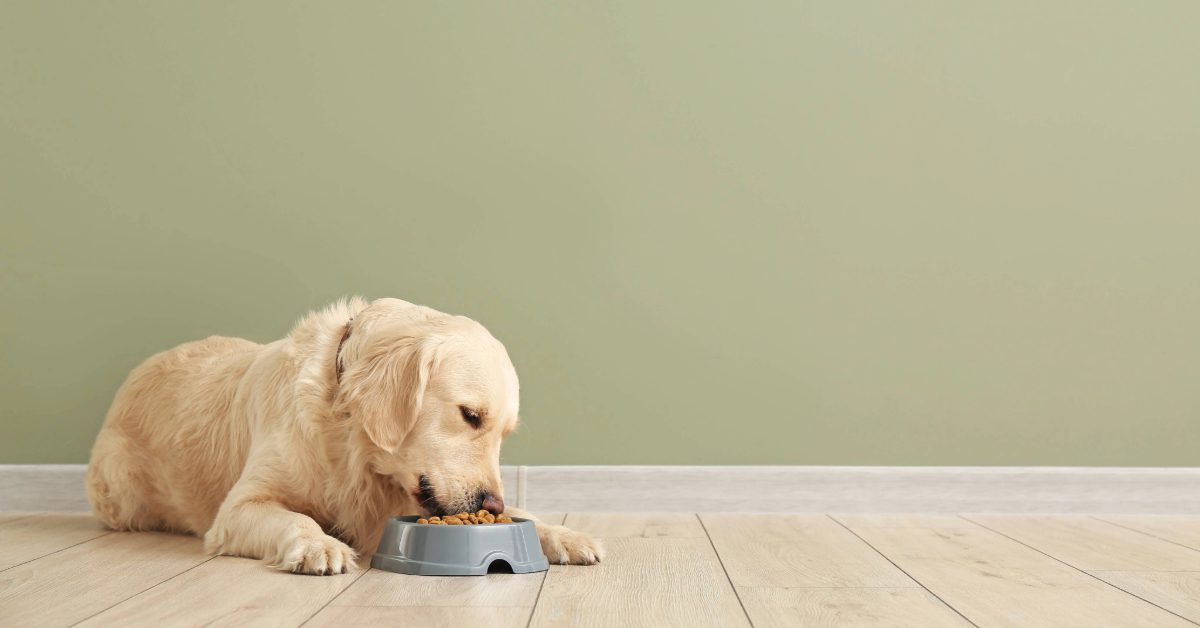
A dog losing weight but still eating usually has an underlying health issue that prevents the body from absorbing or using nutrients properly. Intestinal parasites, diabetes, digestive disorders, dental pain, and other conditions can all be responsible, and most of them will not resolve without veterinary care. Many pet owners notice the change slowly. The ribs feel more prominent, the waistline looks tighter, or a favorite harness suddenly fits loosely. Meanwhile, the food bowl still empties at the usual pace, which makes the whole situation feel confusing. Our team at Hershire Animal Hospital in Hummelstown, PA, sees many cases of a dog losing weight but still eating. Understanding the possibilities helps you talk with your veterinarian and act quickly. This guide explains the most common causes, the symptoms worth noting, and when it is time to book an appointment.
What Causes a Dog to Lose Weight While Still Having a Normal Appetite?
A healthy dog maintains weight when calories in match calories out. When you have a dog losing weight but still eating, the body is burning more energy than usual, absorbing fewer nutrients than it should, or losing nutrients along the way.
Intestinal Parasites
Roundworms, hookworms, whipworms, and tapeworms feed on nutrients in the digestive tract. A dog with a heavy parasite load may eat well and still look thin, especially puppies, rescued dogs, and dogs that spend time outdoors. Parasites are a classic cause of a dog losing weight but still eating well. Your veterinarian can identify parasites with a simple fecal test, and year-round preventive care lowers the risk.
Diabetes Mellitus
Diabetes prevents the body from moving sugar out of the blood and into cells, so the cells run short on fuel even when food intake is high. Diabetic dogs often show increased hunger and thirst along with frequent urination. It is one of the best-known reasons for a dog losing weight but still eating heartily.
Digestive and Absorption Disorders
Conditions like inflammatory bowel disease and exocrine pancreatic insufficiency (EPI) interfere with digestion and nutrient absorption. The dog eats a full meal, but much of the nutrition passes through unused. Owners sometimes notice loose, greasy, or unusually large stools.
Cancer, Organ Disease, and Hormonal Conditions
Certain cancers, kidney disease, liver disease, and heart disease can change how the body uses energy and maintains muscle. Hormonal conditions such as Cushing’s disease may also cause muscle loss even when appetite stays strong. These conditions are more common in senior dogs, though they can appear at any age.
Dental Problems and Higher Energy Needs
Painful teeth or gums can make chewing difficult, so a dog losing weight but still eating may actually be swallowing less than it appears. Nursing mothers, very active dogs, and dogs recovering from illness also burn more calories. Your veterinarian can tell whether the weight change fits normal life circumstances or points to something more serious.
What Other Symptoms Should You Watch for Alongside Weight Loss?
Weight loss rarely travels alone. The other changes you notice at home give your veterinarian valuable clues, so it helps to consider the full picture. Signs that often accompany a dog losing weight but still eating include:
- Increased thirst or urination
- Vomiting or diarrhea
- Greasy, bulky, or unusually smelly stools
- Visible worms or rice-like segments near the tail or in stool
- Lethargy or less interest in play
- A dull coat, hair loss, or skin changes
- Bad breath, drooling, or dropping food while chewing
- A pot-bellied appearance
Changes in Appetite and Behavior
Some dogs eat ravenously, while others eat normally but seem tired afterward. Both patterns matter. Notice whether your dog is begging more than usual, scavenging, or guarding the food bowl, because a change in behavior can point toward a change in health.
What to Write Down Before Your Visit
Before your appointment, jot down when the weight loss started, how much your dog eats each day, and any changes in bathroom habits. Photos and short videos of symptoms are also useful. Weight records from previous checkups make trends easier to spot, since even a few pounds matters in a small dog. These details help your veterinarian understand a dog losing weight but still eating and decide which tests to run first.
Why Body Condition Matters
Veterinarians often use a body condition score, a scale that rates how much fat covers the ribs, spine, and waist. Looking at your dog from above and from the side can reveal changes the scale misses, and muscle loss along the spine or hips is easy to overlook under a thick coat. Sharing what you notice gives the exam a helpful starting point.
When Should You Take Your Dog to the Veterinarian for Unexplained Weight Loss?
Any unexplained weight loss is worth a call to your veterinarian at Hershire Animal Hospital, even if your dog otherwise seems happy. A hearty appetite, normal play, and a wagging tail can still hide a real health problem. A dog losing weight but still eating is not something to watch for weeks, because the underlying cause rarely fixes itself.
Schedule a Prompt Appointment If You Notice
- Weight loss has continued for more than a week or two
- Ribs, spine, or hip bones have become easier to see or feel
- Thirst, urination, or hunger has increased
- Stools have changed in color, texture, or frequency
- Your dog is a puppy, a senior, or has a known health condition
A puppy or senior dog losing weight but still eating has fewer reserves to draw on, so a small drop can matter more than it seems.
When It Becomes an Emergency
Contact Hershire Animal Hospital right away if weight loss comes with repeated vomiting, bloody stool or vomit, collapse, trouble breathing, extreme lethargy, or a swollen, painful belly. If our hospital is closed, call the nearest emergency veterinary hospital. Do not wait for your dog to stop eating; a good appetite does not rule out a serious problem.
Why Waiting Makes Answers Harder to Find
Many causes of weight loss, including diabetes, parasites, and digestive disorders, are easier to manage when caught early. The longer a dog losing weight but still eating goes without answers, the more muscle and condition the dog may lose. Muscle loss can weaken a dog and make recovery harder. A visit to Hershire Animal Hospital gives you a clear starting point instead of guesswork.
How Does a Veterinarian Find the Cause of Weight Loss?
Finding the reason behind a dog losing weight but still eating starts with a conversation and a thorough exam. Because so many conditions look alike from the outside, diagnosis relies on evidence rather than guesses.
The History and Physical Exam
Your veterinarian will ask about diet, appetite, medications, parasite prevention, and any changes at home. Then comes a nose-to-tail exam that includes weighing your dog, checking the mouth, feeling the abdomen, and listening to the heart and lungs. Each step narrows the list of possible causes.
Common Diagnostic Tests
Depending on what the exam finds, your veterinarian may recommend:
- Fecal testing to check for intestinal parasites
- Bloodwork to evaluate organ function, blood sugar, and blood cell counts
- Urinalysis to look at kidney function and glucose
- X-rays or ultrasound to examine organs and look for masses
- Specialized tests for hormone or digestive function
Not every dog needs every test. Your veterinarian chooses tests based on your dog’s age, symptoms, and exam findings. Sometimes one result points to a follow-up test, which is a normal part of the process.
Why Guessing at Home Delays Answers
The internet offers plenty of theories about weight loss, and many of them sound convincing. Unfortunately, the same symptom can come from very different conditions, so only testing can separate one from another. A professional workup replaces uncertainty with facts and avoids wasted time on the wrong explanation.
Building a Plan
Treatment depends entirely on the diagnosis. Some causes, like parasites, are straightforward to address, while others need ongoing management and regular rechecks. Your veterinarian will explain the options, timelines, and costs so you can make confident decisions for your dog.
Hershire Animal Hospital Is Ready to Help Your Dog
If you have a dog losing weight but still eating, you do not have to work out the cause alone. Our veterinary team at Hershire Animal Hospital in Hummelstown, PA, can examine your dog, recommend the right tests, and explain the results in plain language.
Your dog cannot tell you what feels wrong, so your observations at home are the most useful information the team can receive. Even a small change in your dog’s body condition is worth mentioning, and a quick conversation can bring real peace of mind. Unexplained weight loss can feel worrying, but it also gives you a valuable early signal. Acting on it gives your dog the best chance at a diagnosis and a treatment plan that fits. Call Hershire Animal Hospital at (717) 566-3703 today to schedule an exam, and share what you have noticed about your dog’s weight, appetite, and energy.
Recent Posts
About Us
Hershire Animal Hospital offers medical, surgical, diagnostic, and preventive care for dogs and cats. Our goal is to help your pet stay well, feel better, and receive the right care at the right time.
Call us at (717) 566-3703