
What Health Conditions Should Be Screened for During Senior Dog and Cat Wellness Exams?
What health conditions should be screened for during senior dog and cat wellness exams? Veterinarians look for kidney disease, arthritis, dental disease, diabetes, thyroid disorders, heart disease, cognitive decline, and cancer, along with changes in vision and hearing. Many of these develop silently, so a hands-on exam paired with lab work is the best way to find them while treatment options are still wide open.
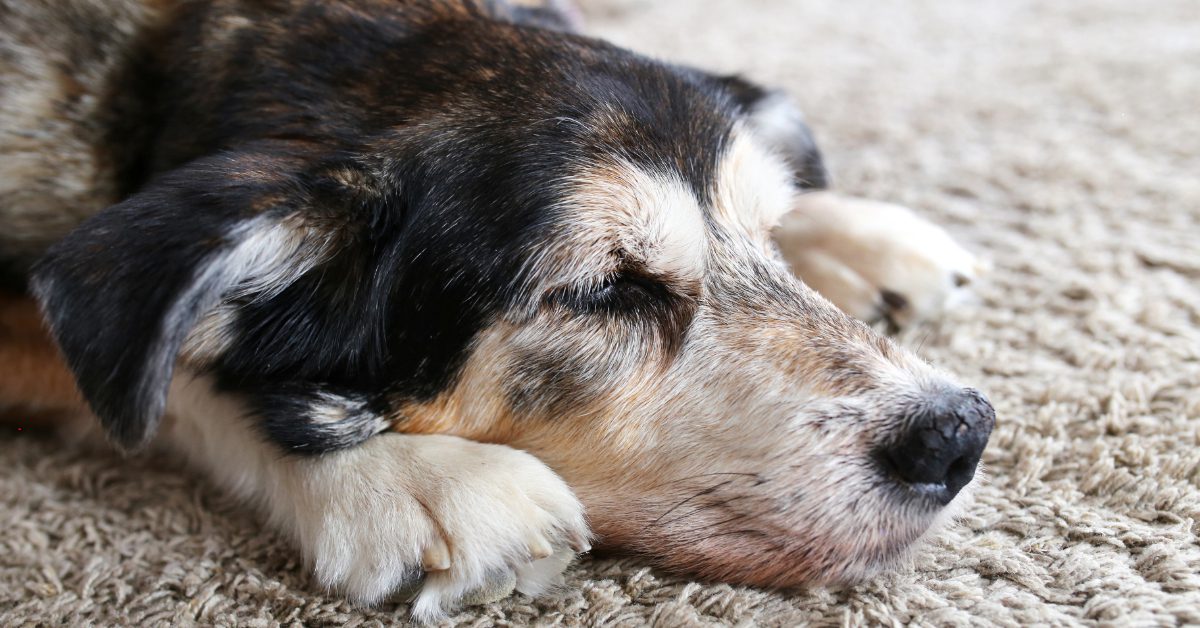
Consider the pet who has shared your home for a decade. She now takes the stairs one careful step at a time, or he sleeps through the doorbell that once set off a chorus of barking. Each change seems small enough to shrug off, and each one gets filed under “just getting older.” Sometimes that is exactly right. Other times it is the first chapter of a condition that responds well to early care. Our veterinary team at Hershire Animal Hospital in Hummelstown, PA, can help families tell which story they are reading. Read on to see which health problems climb with age, which tests belong in a senior visit, how often older pets should come in, and how to prepare so you leave with answers.
What Health Problems Become More Common as Pets Age?
Aging changes nearly every body system. Some changes are normal wear, while others signal disease, and senior dog and cat wellness exams exist to sort one from the other.
Kidney and Urinary Disease
Chronic kidney disease is especially common in older cats and also affects many senior dogs. The kidneys can lose a large share of their function before a pet looks sick, so early signs such as increased thirst, more urination, or a slow drop in weight are easy to miss.
Arthritis and Mobility Changes
Joint disease affects a large portion of older dogs and cats. Cats often hide it, so owners may notice only that a cat jumps less, grooms less, or avoids the litter box with tall sides. Dogs may stiffen after naps or lag on walks.
Dental Disease
Tartar, gum infection, and loose or broken teeth grow more common with each year. Mouth pain can cause a pet to chew on one side, drop food, or eat less, and infected gums can affect the health of other organs.
Endocrine Conditions
Hormone disorders often appear in middle and older age. Common examples include:
- Diabetes mellitus in dogs and cats
- Hyperthyroidism in cats
- Hypothyroidism in dogs
- Cushing’s disease in dogs
Heart Disease, Cancer, and Cognitive Changes
Heart murmurs, tumors, and age-related cognitive decline all become more likely in later years. Confusion at night, staring at walls, or forgetting house training can point to cognitive dysfunction, while new lumps or unexplained weight changes may warrant further testing. Sight and hearing also fade with age, and pets often adapt so well that families do not notice until an exam picks it up.
What Diagnostic Tests Are Recommended During Senior Pet Wellness Exams?
A physical exam is the starting point, but many senior conditions cannot be seen or felt. That is why senior dog and cat wellness exams usually include screening tests that look beneath the surface.
The Physical Exam
Your veterinarian will check weight and body condition, look at the eyes, ears, and mouth, listen to the heart and lungs, feel the abdomen and lymph nodes, and test how the joints move. Comparing findings with past visits helps reveal slow changes.
Common Screening Tests
Depending on your pet’s age, breed, and history, your veterinarian may recommend:
- Bloodwork to evaluate kidney, liver, and blood cell values and blood sugar
- Thyroid testing, especially for cats with weight loss and dogs with skin or energy changes
- Urinalysis to check kidney function, infection, and glucose
- Blood pressure measurement, which can reveal hypertension
- Heartworm and parasite screening, when appropriate
Imaging and Additional Tests
If the exam or lab results raise questions, your veterinarian may suggest X-rays, an abdominal ultrasound, or an ECG to look more closely at the heart, organs, or joints. Eye pressure testing can also help detect glaucoma in older pets.
Why Baselines Matter
A single test result tells only part of the story. A set of numbers gathered every year or two lets your veterinarian spot a gradual trend, such as a slowly rising kidney value, long before it crosses into abnormal territory. Testing while your pet still seems healthy gives future results something to be measured against, which makes senior dog and cat wellness exams more powerful over time.
How Often Should Senior Dogs and Cats Visit the Veterinarian?
Most veterinarians recommend a wellness exam every six months for senior pets. Because pets age much faster than people, a six-month gap can be the equivalent of several human years.
When Does a Pet Count as a Senior?
Cats are often considered seniors around age 10, though many veterinarians begin senior screening earlier. Dogs vary by size, since large and giant breeds age sooner than small dogs. A Great Dane may need senior care at six or seven, while a Chihuahua may not need it until later. Your veterinarian can tell you when your pet’s schedule should change.
Pets With Existing Conditions
Pets with diabetes, kidney disease, heart disease, or arthritis often need rechecks more often than twice a year. These visits let our team adjust medication, review lab work, and confirm that treatment is working.
Between-Visit Warning Signs
Do not wait for the next scheduled exam if you notice:
- Changes in appetite, thirst, or urination
- Weight loss or weight gain
- New lumps or swelling
- Trouble climbing stairs or jumping
- Confusion, restlessness at night, or changes in behavior
- Persistent coughing or labored breathing
How Can You Prepare Your Senior Pet for a Wellness Visit?
A little preparation helps our team learn more in less time and keeps your pet more comfortable.
Gather Your Observations
Write down changes in eating, drinking, sleep, mobility, and litter box or bathroom habits. Short phone videos of limping, coughing, or unusual behavior can show your veterinarian what a quiet exam room cannot.
Bring the Right Items
Bring a list of any medications and supplements, along with the food brand your pet eats. If your veterinarian has asked for a urine or stool sample, follow the collection instructions provided by the clinic.
Make the Trip Easier
Older pets can feel stressed by travel. Bring a favorite blanket, use a secure carrier for cats and small dogs, and allow extra time so nobody feels rushed. If your pet has trouble with stairs or car rides, tell the team ahead of time so they can plan accordingly.
Give Your Senior Pet the Attention Their Golden Years Deserve
Senior dog and cat wellness exams give older pets a voice they cannot supply themselves. Our veterinary team at Hershire Animal Hospital in Hummelstown, PA, can examine your companion, recommend screening that fits their age and history, and explain the results in plain language. Many age-related conditions respond better to early attention, and even a chronic diagnosis can become far more manageable with the right plan. Your daily observations, combined with a thorough exam, create a complete picture of your pet’s health. If your dog or cat has recently slowed down, changed habits, or crossed into their senior years, call us at (717) 566-3703 to schedule a senior wellness exam.
Recent Posts
About Us
Hershire Animal Hospital offers medical, surgical, diagnostic, and preventive care for dogs and cats. Our goal is to help your pet stay well, feel better, and receive the right care at the right time.
Call us at (717) 566-3703