

How Does Preventative Veterinary Care Help Pets Avoid Serious Health Problems Later in Life?
Pet preventative care stops many infections and parasites before they start, catches disease while it is still manageable, and gives your veterinarian a baseline for spotting small changes over time. Vaccines, parasite control, dental care, and regular exams often prevent or soften conditions that become harder and costlier to treat once they advance.
Pets age faster than people, and instinct tells them to hide illness. A dog or cat that looks perfectly fine on the couch may already have early kidney changes, a heart murmur, or sore teeth. That gap between how a pet looks and how they are doing is why pet preventative care matters. Our team at Hershire Animal Hospital in Hummelstown, PA, sees how routine visits can rewrite a pet’s health story. This blog covers what preventative care includes, which diseases wellness visits can uncover early, how often pets should be seen, and what you can do at home between appointments.
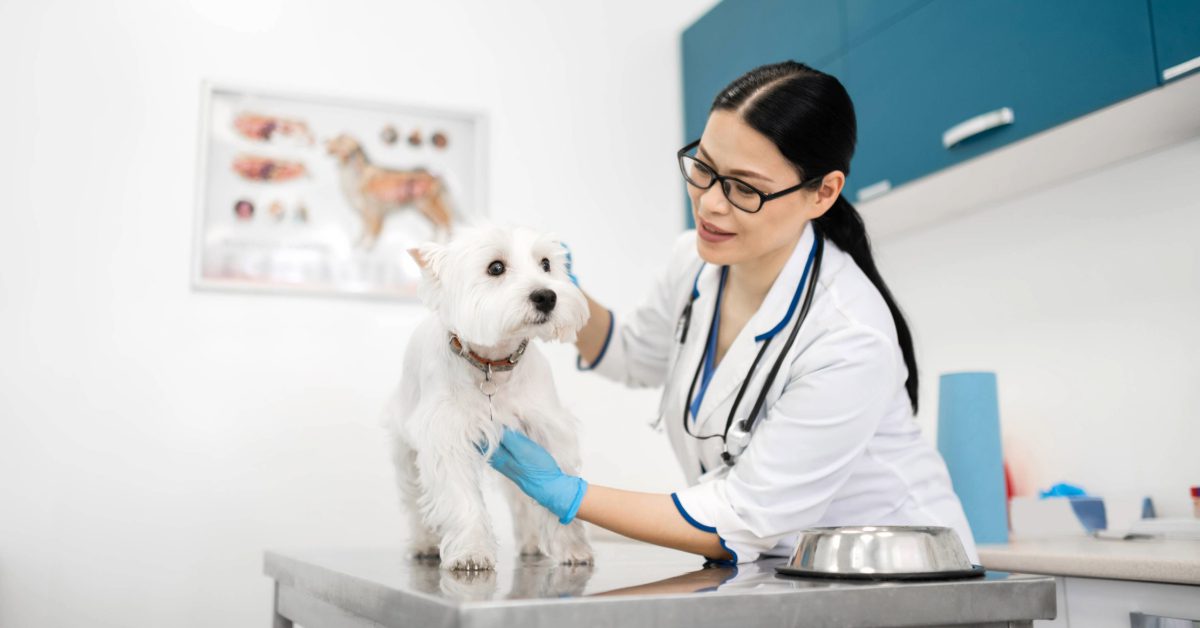
What Is Included in Preventative Veterinary Care for Dogs and Cats?
Pet preventative care is a bundle of routine services meant to block problems or find them while they are still small. Most programs combine several building blocks.
The Wellness Exam
A nose-to-tail exam anchors every visit. Your veterinarian checks the eyes, ears, mouth, skin, heart, lungs, abdomen, joints, and weight. Small discoveries, like a new lump, a murmur, or tartar on the teeth, often surface here long before symptoms appear at home.
Vaccinations
Vaccines protect against serious and sometimes deadly diseases. Dogs receive core vaccines for rabies, distemper, and parvovirus, and cats receive rabies and the feline distemper combination. Your veterinarian may add lifestyle vaccines depending on boarding, grooming, or outdoor exposure.
Parasite Control
Fleas, ticks, heartworms, and intestinal worms can cause problems ranging from itching to life-threatening illness. A solid parasite program usually includes:
- Year-round heartworm prevention
- Flea and tick control
- Stool testing for intestinal parasites
- Yearly heartworm testing for dogs
Prevention costs far less than treating an established infection, and it also protects the people who share your home.
Dental Care and Nutrition Guidance
Most pets develop some dental disease by middle age, and mouth bacteria can affect other organs. Exams, professional cleanings, and home dental routines all help. Nutrition advice matters as well, since extra weight raises the risk of diabetes, arthritis, and heart disease.
Spay, Neuter, and Microchipping
Spaying and neutering can reduce the risk of certain cancers and reproductive infections. A microchip does not treat illness, yet it belongs in any pet preventative care plan because it helps lost pets get home.
Which Diseases Can Be Detected Early Through Routine Wellness Visits?
Regular visits let your veterinarian find trouble at the point when treatment works best. Many serious conditions begin quietly, and pets often look normal until the problem has progressed.
Conditions Often Found Early
Wellness exams and screening tests can help reveal:
- Dental disease and painful gum infections
- Kidney and liver disease
- Diabetes and thyroid disorders
- Heart murmurs and early heart disease
- Arthritis and joint changes
- Heartworm disease and intestinal parasites
- Lumps that may need testing
- Gradual weight gain or loss
The Role of Screening Tests
Bloodwork, urinalysis, and stool testing show what a physical exam cannot. Blood tests can detect organ changes before a pet feels sick, and a urine sample can flag kidney trouble or infection. Cats are masters at concealing illness, so screening plays an outsized part in feline pet preventative care. Many veterinarians suggest baseline testing while a pet is young and healthy, so later results have something to be compared against.
How Early Detection Changes the Outlook
Finding a problem sooner usually means more options and gentler ones. A diet change or medication may control early kidney disease for years, while advanced disease narrows the choices. The same pattern holds for dental disease, arthritis, and many cancers. A slight shift in weight, coat, or energy that you might shrug off is exactly the kind of detail your veterinarian can put in context. That is the practical payoff of pet preventative care: hidden risks become manageable plans.
How Often Should Pets Receive Preventative Veterinary Care?
Most healthy adult dogs and cats do well with a wellness exam at least once a year. The right rhythm for your pet depends on age, health, and lifestyle, and your veterinarian can tailor it.
Puppies and Kittens
Young pets need the most attention. Visits typically occur every three to four weeks until about 16 weeks of age, covering the vaccine series, deworming, and the start of parasite prevention. These appointments also address socialization, nutrition, and spay or neuter timing. Strong pet preventative care in the first year sets a pattern for a healthy life.
Adult Pets
Healthy adults generally need a yearly exam, scheduled vaccine updates, and annual parasite screening. Seeing your pet every year lets the veterinarian compare weight, dental health, and test results over time, so gradual shifts stand out.
Seniors and Pets With Ongoing Conditions
Many veterinarians recommend exams every six months for senior pets, because a year covers a lot of ground in an older animal’s life. Dogs and cats often count as seniors around age seven, though size and breed matter. Pets with chronic conditions may need more frequent rechecks. Twice-yearly visits allow earlier detection of arthritis, kidney disease, heart changes, and cancer.
Life Events That Call for an Extra Visit
Between scheduled checkups, call your veterinarian at Hershire Animal Hospital if appetite, thirst, energy, weight, or bathroom habits change. A move, a new pet in the house, or upcoming travel can also alter which vaccines and parasite protections make sense. Pet preventative care works best when it adapts to your pet’s real life.
What Can Pet Owners Do Between Visits to Support Preventative Care?
You are your pet’s first line of defense, and small habits at home make every clinic visit more productive. Consistency beats perfection.
Build a Simple Home Routine
Once a month, check your pet’s body shape, brush the coat while feeling for lumps or skin changes, and glance at the teeth and gums. Give parasite prevention on the calendar’s schedule, and refresh the water bowl daily. These quick checks help you notice changes your veterinarian will want to hear about.
Track and Ask
Jot down changes in appetite, energy, or bathroom habits, and bring the notes to appointments. Store vaccine and medication records in one place. If something seems off, call us at (717) 566-3703 rather than waiting for the next checkup. No question is too small, because early conversations often head off bigger problems.
Plan the Budget
Wellness care is among the most predictable pet expenses. Budgeting for annual exams, vaccines, and prevention helps you avoid surprises. If money is tight, ask your veterinarian how to prioritize services or whether a wellness plan makes sense.
Hershire Animal Hospital Supports Your Pet From Puppy and Kitten Days to the Senior Years
Pet preventative care is one of the most caring investments you can make in a dog or cat. Our veterinary team at Hershire Animal Hospital in Hummelstown, PA, can design a wellness plan around your pet’s age, breed, and lifestyle, from the first puppy or kitten visit through the golden years.
Your pet cannot say when something feels wrong, so regular exams speak on their behalf. One routine visit may bring reassurance, or it may catch a problem early enough to change the outcome. Either way, you leave with clearer answers and a stronger plan. Call us at (717) 566-3703 to schedule a wellness exam for your pet today.
Recent Posts
About Us
Hershire Animal Hospital offers medical, surgical, diagnostic, and preventive care for dogs and cats. Our goal is to help your pet stay well, feel better, and receive the right care at the right time.
Call us at (717) 566-3703